
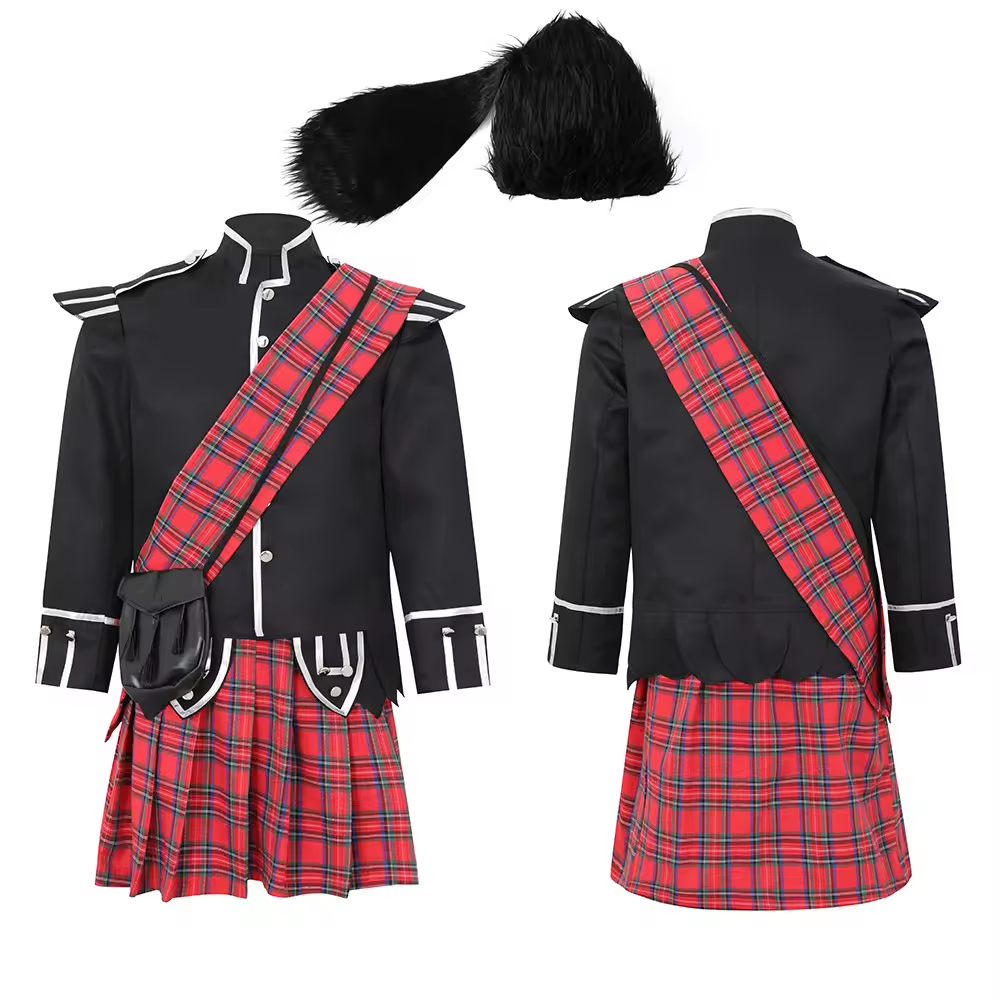
The Scottish kilt is more than just a garment—it is a symbol of pride, heritage, and timeless style. Whether worn for cultural celebrations, weddings, formal events, or Highland gatherings, an authentic kilt represents centuries of tradition. If you are planning to invest in a genuine kilt, understanding the history, materials, construction, and styling elements is essential. This complete guide will help you choose the perfect scottish kilt outfit with confidence and authenticity.
The History Behind the Scottish Kilt
The origins of the kilt can be traced back to the Highlands of Scotland in the 16th century. Early versions, known as the “great kilt” or “belted plaid,” were large pieces of wool fabric that served as both clothing and blanket. Over time, this evolved into the modern tailored kilt we recognize today.
Each tartan pattern was traditionally associated with a specific clan, making the kilt a powerful representation of family identity. Today, kilts are worn worldwide as a celebration of Scottish culture and tradition.
Understanding Authentic Kilt Fabric
The most important element of an authentic kilt is the fabric. Traditional kilts are made from 100% wool, specifically worsted wool, which provides durability, structure, and a crisp drape. Authentic kilts typically use heavy-weight wool, around 13 to 16 ounces per yard.
While cheaper alternatives may use acrylic or polyester blends, these materials lack the movement and authenticity of genuine wool. If you want a true scottish kilt outfit, investing in high-quality wool is essential.
When examining the fabric, look for:
-
Clear and symmetrical tartan patterns
-
Tight, consistent weaving
-
A firm yet flexible texture
Authentic kilts are made from several yards of fabric—often 6 to 8 yards for a traditional style—giving them their iconic fullness and swing.
Choosing the Right Tartan
Tartan selection is one of the most exciting parts of buying a kilt. Tartans are patterned with crisscrossing horizontal and vertical bands in multiple colors. Historically, each tartan was linked to a clan or region.
If you have Scottish ancestry, you may choose your family clan tartan. If not, you can select from universal tartans such as Black Watch or Royal Stewart. Many modern tartans are also designed for fashion purposes.
When choosing a tartan, consider:
-
Family heritage
-
Event type (formal or casual)
-
Color preferences
-
Cultural significance
A well-chosen tartan enhances the elegance of your overall scottish kilt outfit.
Proper Kilt Construction
An authentic Scottish kilt is not simply wrapped around the waist—it is carefully tailored. Traditional kilts are knife-pleated at the back, allowing freedom of movement while maintaining structure.
Key construction features include:
-
Deep, evenly spaced pleats
-
Hand-stitched finishing
-
Leather straps and buckles for fastening
-
A cotton or canvas lining for comfort
The pleats should align with the tartan pattern, either pleated to the stripe or pleated to the sett. This detail reflects craftsmanship and authenticity.
Accurate Measurements Matter
Buying a kilt requires precise measurements. Unlike standard trousers, kilts sit higher on the waist—around the natural waistline near the navel.
You will need:
-
Waist measurement at the navel
-
Hip measurement at the widest part
-
Desired length (typically to the middle of the kneecap)
A properly fitted kilt should feel snug but comfortable, allowing easy movement. Ill-fitting kilts can look awkward and detract from the elegance of your attire.
Essential Kilt Accessories
A kilt alone is not a complete ensemble. To create a traditional scottish kilt outfit, you need the right accessories.
Sporran
The sporran is a small pouch worn at the front of the kilt. It serves both decorative and practical purposes. Formal events often require fur or dress sporrans, while leather sporrans are suitable for casual wear.
Kilt Hose and Flashes
Kilt hose are knee-high socks typically worn folded below the knee. Flashes are small fabric pieces that hang from the garter, adding color coordination.
Ghillie Brogues
Traditional Scottish shoes known as ghillie brogues feature long laces that wrap around the ankle. They are commonly worn for formal occasions.
Kilt Pin
A kilt pin is attached to the front apron to add weight and style. While decorative, it also helps keep the fabric in place.
Belt and Buckle
A wide leather belt with a decorative buckle enhances the overall appearance, especially in semi-formal settings.
Jackets and Shirts for Different Occasions
The type of jacket and shirt you choose depends on the event.
For formal events such as weddings or ceremonial gatherings, a Prince Charlie jacket with a waistcoat is traditional. For semi-formal occasions, an Argyll jacket works well. Casual settings may allow a Jacobite shirt paired with the kilt.
Matching your jacket and shirt properly elevates the sophistication of your scottish kilt outfit.
Hand-Stitched vs. Machine-Made Kilts
Authentic kilts are often hand-stitched, particularly the pleating. Hand stitching ensures flexibility and longevity. Machine-made kilts are more affordable but may lack the refined details and durability of handcrafted versions.
When comparing options, ask about:
-
Stitching methods
-
Fabric origin
-
Yardage used
-
Craftsmanship standards
A genuine kilt is an investment piece that can last decades when properly maintained.
Where to Buy an Authentic Scottish Kilt
When purchasing a kilt, buy from reputable kiltmakers or specialized retailers. Many authentic kilts are still made in Edinburgh and Glasgow, where traditional craftsmanship continues.
Look for retailers that:
-
Provide detailed fabric information
-
Offer custom measurements
-
Share the origin of the tartan
-
Have positive customer reviews
Avoid extremely low-priced kilts claiming to be “authentic,” as genuine wool kilts require significant fabric and skilled labor.
Caring for Your Kilt
Proper maintenance preserves your kilt’s structure and appearance.
-
Dry clean only
-
Store hanging to maintain pleats
-
Use a garment bag for protection
-
Avoid frequent folding
If pleats lose their shape, professional pressing is recommended. With proper care, your kilt can become a cherished heirloom.
Budget Considerations
Authentic kilts typically range from moderate to high prices depending on fabric weight, customization, and craftsmanship. A fully traditional scottish kilt outfit with accessories may require a larger investment, but the quality and durability justify the cost.
If you are new to kilts, consider starting with a mid-range wool kilt and gradually adding premium accessories over time.
Final Thoughts
Buying an authentic Scottish kilt is a meaningful decision that combines tradition, craftsmanship, and personal style. From selecting the right tartan to ensuring accurate measurements and quality construction, each detail plays a role in creating a distinguished look.
A genuine kilt is not just clothing—it is a celebration of heritage and identity. By understanding fabric quality, proper tailoring, and essential accessories, you can confidently assemble a complete and elegant scottish kilt outfit that honors tradition while reflecting your personality.





Leave a Reply