
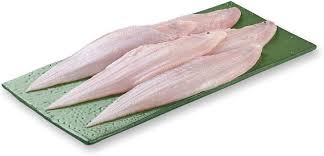
Manthal fish is a popular seafood choice known for its mild flavor and soft texture. It is commonly enjoyed in coastal regions where fresh fish is easily available. Many people prefer this fish because it is easy to cook and suits different recipes. Its clean taste makes it ideal for both simple home meals and restaurant dishes. Over time, it has gained attention for its nutritional value and versatility.
This fish is also valued for being light on the stomach and rich in essential nutrients. It fits well into balanced diets and healthy eating plans. Chefs often recommend it for people who are new to seafood. Its popularity continues to grow due to changing food preferences. Understanding its qualities helps consumers make informed choices.
Manthal Fish: What Makes it Special
Manthal fish is appreciated for its tender flesh and naturally mild taste. It belongs to a group of marine fish that thrive in warm coastal waters. The fish is usually medium-sized, making it convenient for cooking whole or in pieces. Its flesh remains soft even after cooking, which enhances the overall eating experience. These characteristics make it a favorite in seafood markets.
Another unique feature is its ability to absorb flavors well. It pairs easily with spices, herbs, and marinades without losing its natural taste. The bone structure is manageable, making it easier to eat. Many cultures include it in traditional recipes. Its consistent quality adds to its appeal among home cooks.
Origin and Natural Habitat
Manthal fish is commonly found in tropical and subtropical seas. It prefers sandy and shallow waters where food sources are abundant. The natural environment plays a major role in shaping its taste and texture. It feeds on small marine organisms, which contributes to its clean flavor. Coastal fishing communities rely on it as a regular catch.
Seasonal changes affect its availability in markets. During peak seasons, the fish is fresher and more affordable. Responsible fishing practices are important to protect the population. Some regions follow fishing limits to prevent overharvesting. Knowing its habitat helps buyers understand quality differences.
Nutritional Value and Health Benefits
Manthal fish is a rich source of high-quality protein that supports muscle health. It contains essential amino acids needed for body repair and growth. The fish is low in unhealthy fats, making it heart-friendly. Omega-3 fatty acids help support brain function and reduce inflammation. These nutrients make it suitable for regular consumption.
It also provides vitamins and minerals such as vitamin B12, calcium, and selenium. These nutrients help improve energy levels and strengthen immunity. Regular intake may support healthy skin and metabolism. The fish is easy to digest, which benefits all age groups. Including it in meals promotes overall well-being.
Taste and Texture Profile
The taste of manthal fish is mild and slightly sweet. It does not have a strong fishy smell, which makes it appealing to many people. The texture is soft and flaky when cooked correctly. This makes it suitable for light seasoning and simple cooking methods. Even basic spices can enhance their flavor.
Its flesh stays moist if cooked for the right amount of time. Overcooking can make it dry, so careful timing is important. Many cooks prefer gentle cooking techniques to preserve texture. The fish pairs well with lemon, garlic, and herbs. This balance makes it enjoyable for a wide audience.
Popular Cooking Methods
Frying is one of the most common ways to prepare this fish. A light batter or shallow fry creates a crispy outside and soft inside. Grilling is another option that enhances its natural flavor. Baking with vegetables is ideal for healthy meals. Each method brings out different qualities of the fish.
Manthal fish is also widely used in curries due to its ability to absorb spices. Steaming helps retain nutrients and moisture. Pan-frying is suitable for quick and easy meals. The fish cooks fast, saving time in the kitchen. Cooking method choice depends on taste and health preferences.
How to Choose Fresh Manthal Fish
Choosing fresh fish ensures better taste and nutrition. Look for clear eyes and firm flesh when buying whole fish. The skin should appear shiny and free from dark spots. A mild sea smell is a sign of freshness. Avoid fish with a strong or unpleasant odor.
If buying cut pieces, check for even color and moisture. Fresh fish should not feel sticky. Buying from trusted vendors reduces quality risks. Asking about catch timing can also help. Fresh selection always improves cooking results.
Storage and Safety Tips
Proper storage keeps manthal fish fresh for longer. It should be kept in the refrigerator if not cooked immediately. Wrapping it tightly helps prevent odor and moisture loss. Freezing is suitable for longer storage but may affect the texture slightly. Fresh consumption is always recommended.
Clean handling is important for food safety. Wash your hands and utensils after touching raw fish. Avoid leaving it at room temperature for too long. Cook it thoroughly before eating. These steps reduce the risk of contamination.
Conclusion
Manthal fish offers great taste, nutrition, and cooking flexibility. It supports a healthy lifestyle without compromising flavor. Its mild nature makes it suitable for many recipes and preferences. With proper selection and preparation, it can be enjoyed regularly. Adding manthal fish to your diet is a smart and satisfying choice.











Leave a Reply